
Regenerative Treatment · Investigational · Emerging research
Stem Cell Therapy
for erectile dysfunction
& penile regeneration
Stem cell therapy is an emerging frontier in sexual medicine focused on repairing and regenerating damaged penile tissue — addressing underlying vascular, nerve, and smooth muscle causes of erectile dysfunction rather than managing symptoms temporarily.
Stem cell therapy for ED is investigational and not FDA-approved. Early clinical studies show promising results in selected patients. PhallusMD presents the current evidence honestly — including specific published studies, regulatory status, and what patients should know before pursuing this treatment.
Overview
What is stem cell therapy for ED?
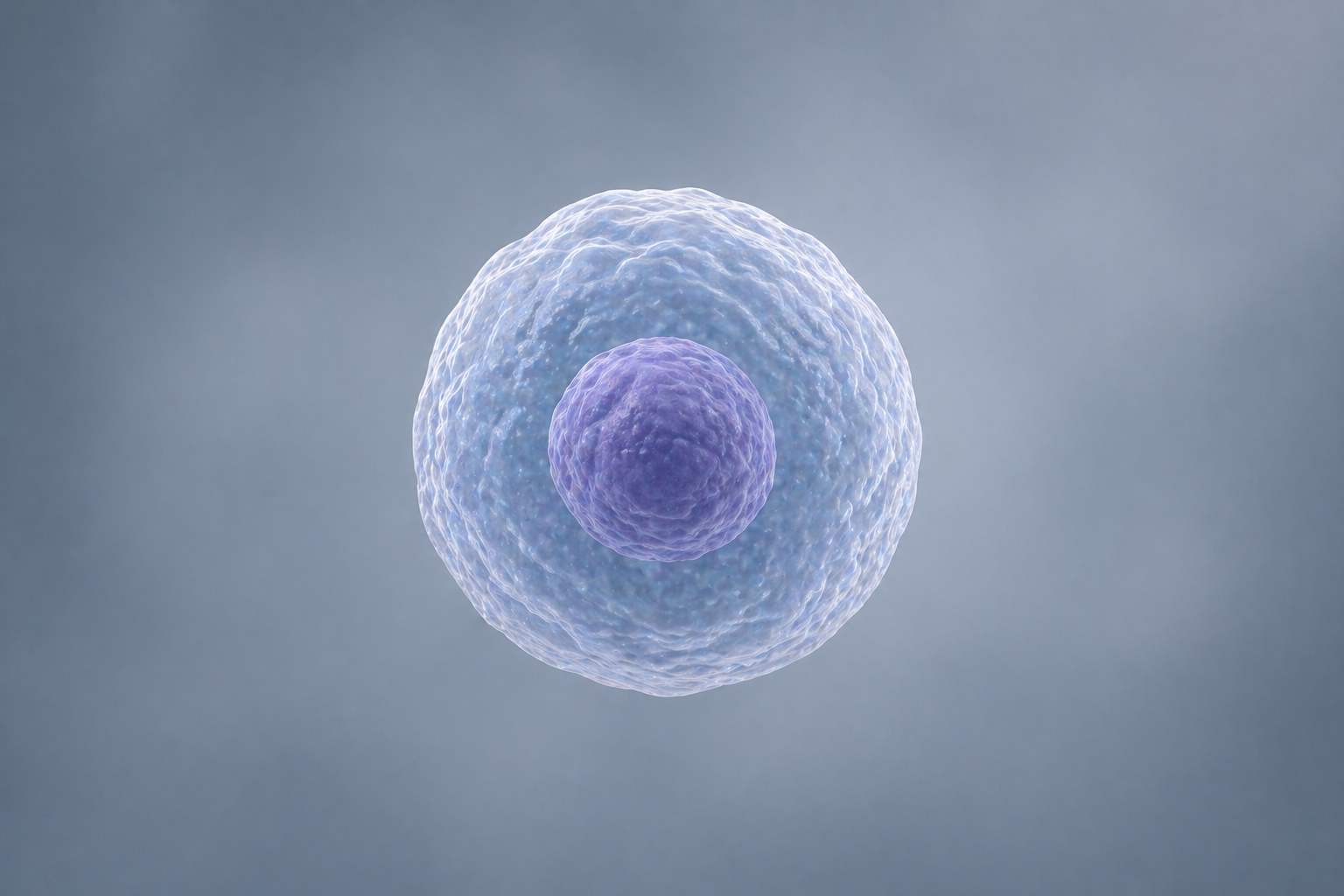
Stem cell therapy involves the use of biologically active cells with the potential to repair damaged tissue, promote new blood vessel formation, reduce inflammation, and support nerve regeneration.
In the context of erectile dysfunction, stem cells are typically injected directly into penile tissue with the goal of addressing the underlying structural causes of ED — rather than simply improving blood flow on demand the way medications like sildenafil do.
Erectile dysfunction is often caused by vascular damage, nerve injury, smooth muscle loss, inflammation, or age-related tissue degeneration. Stem cell therapy attempts to address these mechanisms directly.
Stimulating new blood vessel growth (angiogenesis)
Supporting smooth muscle regeneration in erectile tissue
Enhancing cellular repair and anti-inflammatory signaling
Supporting nerve regeneration in post-surgical patients
Potentially providing longer-lasting improvement than medications
There is significant variability in what is marketed under the label “stem cell therapy.” Not all products contain active, living stem cells.
Some clinics offer umbilical cord-derived products that may contain growth factors and extracellular vesicles rather than viable stem cells. A widely-cited 2021 study by cardiologist Dr. Ernst von Schwarz, for example, is often described in press coverage as a “stem cell therapy” trial — but its actual injected product was an acellular, stem-cell-derived exosome/secretome preparation, not living cells. Patients should ask specifically what a product contains, where it comes from, and what evidence supports its use.
This distinction matters for both efficacy expectations and regulatory compliance.
PRP uses your own platelets to deliver growth factors — no living cells are introduced. Exosomes are acellular signaling vesicles. Stem cell therapy introduces living cells with regenerative potential — a meaningfully different mechanism with different regulatory complexity and risk profile.
Types of stem cells used
What is actually being injected
The type of stem cell used varies significantly between clinics and protocols. Understanding what is being offered is an essential part of informed consent.
Mesenchymal Stem Cells (MSCs)
Derived from bone marrow, adipose (fat) tissue, or umbilical cord. MSCs are known for regenerative and anti-inflammatory properties and are the most commonly used type in published ED clinical trials. When autologous (from the patient’s own fat or bone marrow), they avoid donor-related risks.
Used in the majority of published clinical trials for ED including Haahr, Yiou, and Bahk studies referenced below.
Umbilical Cord–Derived Products
Often marketed under the “stem cell therapy” label in commercial clinical settings. These products may contain growth factors, extracellular vesicles, and signaling molecules — but may not contain viable, living stem cells depending on how they are processed and stored.
Patients should ask directly whether a product contains live cells, how viability is confirmed, and whether it complies with FDA regulations for human cell and tissue products.
Published clinical evidence
What specific studies show
Unlike exosome therapy, stem cell therapy for ED has actual published human clinical trials — though all are early-phase, small, and not yet sufficient to establish it as standard care. These are the key studies in the literature.
Adipose-derived stem cells in post-prostatectomy ED
17 men with erectile dysfunction following radical prostatectomy were treated with adipose-derived stem cell injections. 8 of 17 regained the ability to achieve erections sufficient for intercourse — a meaningful outcome in a population with nerve-related ED.
Finding: Suggests potential for tissue regeneration in nerve-damaged ED. Phase I safety established. Small sample — larger trials needed.
Stem cell therapy in diabetic erectile dysfunction
Seven men with diabetes-related erectile dysfunction received intracavernosal umbilical cord blood stem cells — a particularly difficult-to-treat population where vascular and nerve damage are both involved. Most patients regained morning erections within one month, with effects noted through several months of follow-up.
Finding: Improved erectile function and glycemic measures in diabetic ED. Very small (n=7), preliminary study — methodology limitations noted.
Bone marrow–derived stem cells in post-prostatectomy patients
Phase I/II trial (INSTIN) in France using dose-escalating bone marrow-derived mononuclear cells in 18 men with post-radical prostatectomy ED. Results showed improved erectile function scores (IIEF) alongside evidence of safety and feasibility across dosing cohorts, sustained at 12-month follow-up. One of the more rigorous early trial series in this space.
Finding: Improved IIEF scores, safety established across doses. Phase I/II — randomized controlled trials still needed.
Placental-derived stem cell therapy for ED
Evaluated placental matrix-derived mesenchymal stem cell products in a small group of men with erectile dysfunction. Results showed improvement in erectile function and penile blood flow measures with no major adverse events reported — providing early US-based safety and feasibility data.
Finding: Improved erectile function, no major adverse events. Small sample — results require replication in larger trials.
Published studies consistently report improvements in erectile function scores (IIEF) following stem cell treatment. Several trials also show measurable improvements in blood flow and tissue parameters. However, the evidence base remains limited by small sample sizes, early-phase designs, lack of sham controls, and significant protocol variability between studies.
The conclusion shared by major sexual medicine organizations, including the SMSNA: stem cell therapy is promising, but large randomized controlled trials are still needed before it can be considered established standard care.
Stem cell therapy for ED is not FDA-approved
There is currently no FDA-approved stem cell product for erectile dysfunction. Treatments are offered under investigational or regenerative medicine frameworks. The FDA has warned broadly about unapproved stem cell and regenerative products marketed for a wide range of conditions.
This does not mean every clinic offering stem cell therapy is non-compliant — but patients should ask specific questions about product sourcing, regulatory compliance, and what evidence supports the specific protocol being offered.
Have a question about stem cell therapy?
Ask men who’ve explored regenerative treatments — real answers from the community.
How it compares
Stem cells vs. PRP vs. shockwave therapy
| Feature | Stem Cell Therapy | PRP (P-Shot®) | Shockwave Therapy |
|---|---|---|---|
| Mechanism | Cellular regeneration | Growth factor delivery | Blood flow stimulation, microtrauma |
| Contains living cells? | Yes (when viable) | No | No — energy-based |
| Source | Autologous or donor-derived | Patient’s own blood (autologous) | Non-invasive device |
| Evidence in ED | Early human trials — promising | More studied than stem cells | Strongest clinical evidence of the three |
| FDA-approved for ED? | No | No — off-label PRP use | Some devices approved outside US |
| Professional society position | Investigational | Investigational / experimental | Investigational — closer to standard care |
| Results timeline | Weeks to months — gradual | Weeks to months — gradual | Weeks to months — gradual |
| Regulatory complexity | Highest — living cell products | Lower — autologous processing | Lower — cleared devices |
Is it right for you?
Who may consider stem cell therapy
Before pursuing treatment
Questions to ask any provider offering stem cell therapy
What type of cells are in this product — are they live, viable stem cells?
What is the source — autologous, umbilical cord, bone marrow, adipose?
Is this product compliant with FDA HCT/P regulations?
What published evidence supports this specific protocol?
Have you treated men with my profile? What were their outcomes?
What are the realistic expectations — what does improvement typically look like?
What are the risks specific to this product and protocol?
What alternatives exist, and how do they compare for my situation?
Common questions
Frequently asked questions
Is stem cell therapy FDA-approved for erectile dysfunction?
No. There is currently no FDA-approved stem cell product for erectile dysfunction. Treatments are offered under investigational or regenerative medicine frameworks. The FDA has issued warnings about unapproved stem cell products marketed for various conditions. Always ask a provider specifically about regulatory compliance before proceeding.
How does stem cell therapy differ from PRP?
PRP uses concentrated platelets from your own blood to deliver growth factors — no living cells are introduced. Stem cell therapy introduces living cells with regenerative potential, aiming to directly repair and regenerate damaged tissue. Stem cells have more regulatory complexity and a different risk profile, but also theoretically a more direct regenerative mechanism.
What does “umbilical cord stem cell therapy” actually mean?
Products marketed as umbilical cord stem cell therapy vary significantly. Some contain viable mesenchymal stem cells. Others contain primarily growth factors, extracellular vesicles, or signaling proteins — which are closer to exosome products than true stem cell therapy. Even studies described in press coverage as “stem cell therapy” sometimes actually used acellular, cell-derived products rather than living cells. Ask your provider specifically what the product contains and how viability is confirmed.
Who are the best candidates based on the published research?
The most studied populations in published trials are men with post-prostatectomy ED (nerve-related) and diabetes-related ED (vascular and nerve). These are the groups where meaningful improvements have been reported in early clinical studies. Men with mild to moderate vascular ED are also frequently discussed as candidates.
How does stem cell therapy compare to shockwave therapy for ED?
Shockwave therapy currently has more published human clinical data than stem cell therapy for ED and is closer to being considered an established treatment in some clinical guidelines. Shockwave is also non-invasive and lower-risk. For men with vascular ED, shockwave may be a more appropriate first step before considering stem cell therapy. They are not mutually exclusive and may complement each other.
Related treatments
Also in regenerative medicine
Questions about stem cell therapy for ED?
Join our anonymous forum to hear from men who have explored regenerative treatments, or search our provider directory for vetted physicians in this space.
Want to go deeper?
Join the men already discussing stem cell therapy in the community forum. Ask anything — real conversation, real experience.
Join the discussion →🔒 Create a free anonymous account to post
Key sources: Haahr et al., “Safety and Potential Effect of a Single Intracavernous Injection of Autologous Adipose-Derived Regenerative Cells…,” EBioMedicine (2016) · Bahk et al., “Treatment of Diabetic Impotence with Umbilical Cord Blood Stem Cell Intracavernosal Transplant,” Exp Clin Transplant (2010) · Yiou et al., “Safety of Intracavernous Bone Marrow-Mononuclear Cells for Postradical Prostatectomy Erectile Dysfunction,” European Urology (2016) · Levy et al., “Determining the Feasibility of Managing Erectile Dysfunction in Humans With Placental-Derived Stem Cells,” J Am Osteopath Assoc (2016) · Liu et al., “Restorative Therapies for Erectile Dysfunction: SMSNA Position Statement,” Journal of Sexual Medicine (2021)
This page is for informational purposes only and does not constitute medical advice, diagnosis, or treatment recommendations. Stem cell therapy for erectile dysfunction is investigational and not FDA-approved. Always consult a licensed physician before pursuing any regenerative therapy. Study findings referenced reflect published literature; PhallusMD does not endorse specific protocols or guarantee replication of study outcomes. PhallusMD does not endorse specific providers or guarantee clinical outcomes. Evidence assessments reflect published literature as of 2026 and may change as research evolves.
There are no reviews yet. Be the first one to write one.