
Treatment category · 6 treatments · Non-surgical
Regenerative treatments
for men’s sexual health
Options designed to support erectile function, tissue health, blood flow, and sensitivity — using the body’s own repair mechanisms rather than foreign substances or surgery.
PhallusMD covers both the potential and the limitations of these treatments honestly. Some regenerative therapies show early clinical promise; others remain investigational or, per the professional society below, experimental. Evidence quality varies by treatment — each page reflects current published research as of 2026.
Overview
What are regenerative treatments?
Regenerative treatments are therapies designed to support the body’s own repair mechanisms — stimulating healing signals, improving circulation, encouraging tissue remodeling, or enhancing the biological environment of treated tissue.
In male sexual medicine, these approaches are used to target the vascular, nerve, and tissue structures that underlie erectile function, sensitivity, and penile health — rather than simply managing symptoms on a temporary basis.
They are commonly discussed for men dealing with:
Erectile dysfunction — particularly vascular or age-related
Reduced blood flow or microvascular changes
Decreased sensitivity or altered sensation
Peyronie’s disease and tissue changes
Post-procedure or post-injury recovery
Sexual health optimization and enhancement
The Sexual Medicine Society of North America’s (SMSNA) 2021 position statement on restorative therapies for ED goes further than “needs more research.” It classifies PRP as experimental and stem cell/SVF therapy as investigational, and states both should currently be conducted only under research protocols with Institutional Review Board oversight, at little or no cost to the patient — not offered as routine paid clinical treatment — until larger, placebo-controlled trials exist. As of that statement, only two clinical trials of PRP for ED had been published.
That doesn’t mean these treatments have no value — early trial data is genuinely promising for some of them, and low-intensity shockwave therapy in particular has an established safety record. It means patients deserve to know exactly where a given treatment sits on that spectrum before deciding whether and how to pursue it.
PhallusMD covers each treatment honestly — including where evidence is strong, where it is emerging, and where a professional medical society currently classifies it as investigational or experimental.
Treatments in this category
Six regenerative options, explained
Click any treatment to read the full page — how it works, what the evidence shows, procedure details, and realistic outcomes.
P-Shot® (Priapus Shot®)
PRP injection using your own blood’s growth factors to support erectile function, sensitivity, and tissue health. The most discussed treatment in this category, though the SMSNA currently classifies PRP for ED as experimental.
P-Long Protocol™
A structured program combining PRP injections with home traction, pump therapy, and nitric oxide support — designed for penile rehabilitation and gradual lengthening over time.
P-Thick™
A PRP-based approach to non-surgical penile girth enhancement using blood-derived material processed for injectable tissue support. A natural alternative for men seeking girth improvement without synthetic fillers.
P-Max™
A proprietary combination protocol developed by Prestige Medical Group, integrating P-Long (length and tissue expansion) with P-Thick (PRP-based girth enhancement) to address both dimensions simultaneously — using entirely autologous materials with no synthetic substances.

Exosome Therapy
Extracellular vesicles carrying signaling molecules that influence cell communication and tissue repair. Marketed for erectile support and regeneration — human evidence is still limited and protocols are not yet standardized.
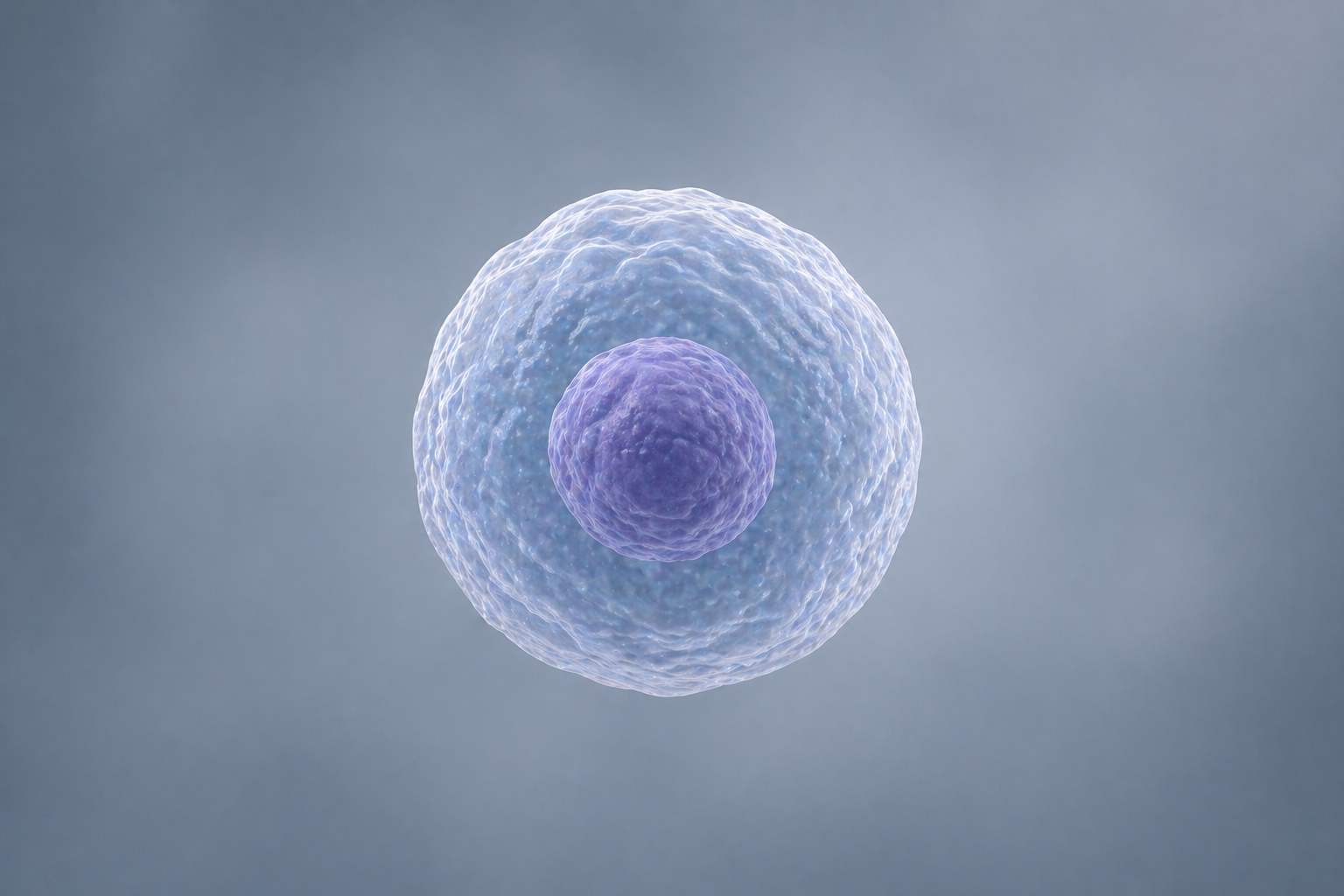
Stem Cell Therapy
Theoretically able to support repair of vascular, nerve, and smooth muscle tissue involved in erections. The SMSNA classifies stem cell/SVF therapy for ED as investigational — promising in research settings but not yet established care.
Understanding the evidence
Not all treatments have equal evidence — here’s what to know
Available research is often limited by small sample sizes, inconsistent methods, and short follow-up. We categorize evidence honestly across three tiers — note that even the top tier here is classified as “experimental” by the SMSNA, not established care.
Early clinical evidence, SMSNA-classified experimental
A small number of published studies exist (the SMSNA cites just 2 published PRP-for-ED trials as of its 2021 statement), and large-scale randomized controlled trials are still needed. Results are promising for carefully selected patients but not yet established care.
P-Shot® (PRP) · P-Long Protocol™ · P-Thick™
Limited but growing evidence
Some published data exists but quality varies. Protocols are not yet standardized across clinics. Outcomes depend heavily on provider experience and patient selection.
Exosome Therapy · P-Max™ (developed by Prestige Medical Group)
Research stage — SMSNA classifies as investigational
Promising theoretical basis and early research findings, but the SMSNA’s position statement currently classifies this as investigational and recommends it be pursued only within research protocols. May become more established as trials progress.
Stem Cell Therapy
Before you pursue any treatment
Questions to ask your provider
A trustworthy provider should be able to answer all of these clearly and honestly.
What exactly is being injected or used — is it autologous or donor-derived?
What published evidence supports this specific protocol?
How many sessions are typically recommended, and why?
What realistic outcomes should I expect for my specific situation?
How long do results typically last, and what happens over time?
Is this offered as established care or as an investigational approach?
What are the risks, and how are they managed at your clinic?
How will we measure whether the treatment is working?
Who may benefit
Who considers regenerative treatments
The right candidate depends on the specific treatment, underlying health, and goals. In general, regenerative treatments are most commonly discussed by men who:
Want non-surgical options
Men who want to address erectile function or tissue health without going under anesthesia or accepting surgical risk and recovery time.
Have mild to moderate ED
Particularly men with vascular, age-related, or diabetes-related erectile dysfunction where regenerative tissue support may complement other care.
Are interested in rehabilitation
Men recovering from prostate treatment, injury, or prior procedures who want to support tissue healing and functional recovery.
Want to optimize and combine
Men looking to pair regenerative care with hormone optimization, traction protocols, or other treatments as part of a broader health plan.
Are exploring before surgery
Men researching non-surgical alternatives before committing to a surgical procedure want to understand what conservative options exist first.
Have Peyronie’s disease
Men with penile curvature who want to explore PRP-based options as part of a non-surgical Peyronie’s management approach.
Find a regenerative treatment provider
Search our directory of vetted physicians offering PRP, exosome, and regenerative protocols — or join the forum to hear from men who have been through these treatments.
Key source: Liu et al., “Restorative Therapies for Erectile Dysfunction: Position Statement From the Sexual Medicine Society of North America (SMSNA),” Journal of Sexual Medicine (2021)
PhallusMD is an informational resource and does not provide medical advice, diagnosis, or treatment recommendations. Content is sourced from published clinical literature and professional society guidance; it does not substitute for consultation with a licensed physician. Evidence assessments reflect published literature as of 2026 and may change as new research emerges.